
In today’s dynamic world of music creation and performance, the need for compact, efficient, and powerful alternatives to traditional gear has grown immensely. Drummers, whether professional, amateur, or hobbyist, often face constraints related to space, noise, and portability. This is where the Electronic Drum comes into play—a game-changing innovation in the realm of music instruments. With its sleek design and impressive functionality, it offers an unparalleled blend of convenience and sonic versatility.
What Is an Electronic Drum?
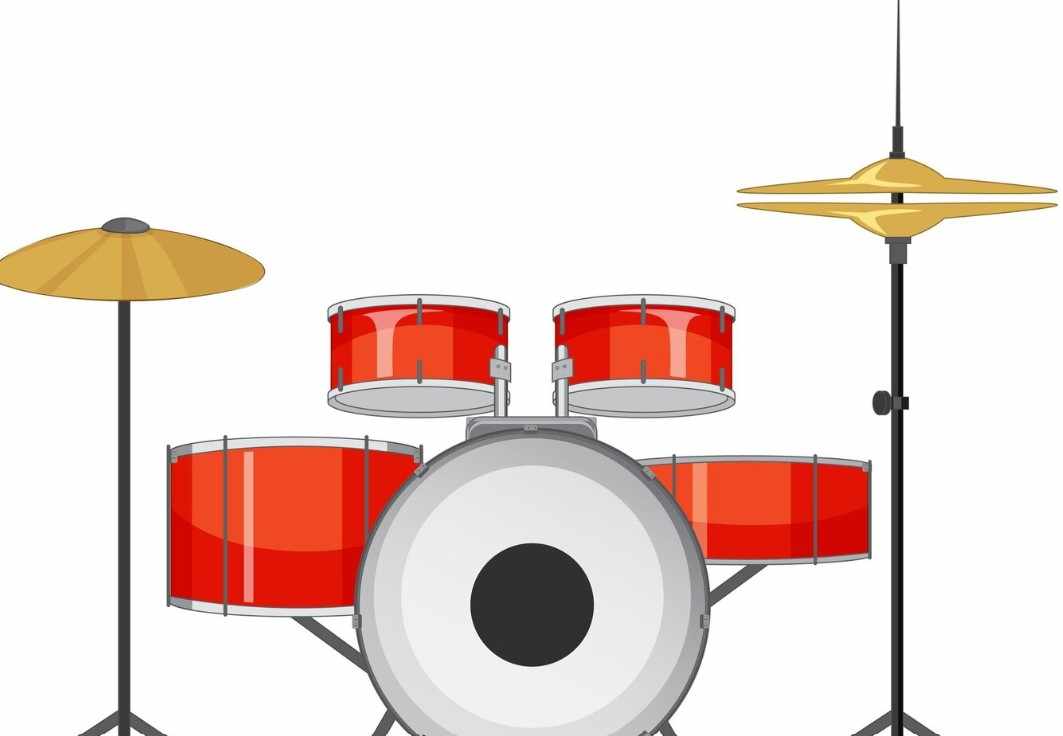
An Electronic Drum is a modern percussion instrument that uses sensors and digital sound modules to emulate the sound of an acoustic drum kit. These kits typically include rubber or mesh drum pads, cymbal pads, and a central sound module that controls and produces the actual sounds. The signals from the pads are converted into digital audio, allowing users to choose from hundreds of drum and percussion sounds at the push of a button.
These kits are not only used in professional music studios and live performances but have also become a staple for home practice due to their noise control and compact form factor.
Benefits of Using an Electronic Drum Kit
Space Efficiency
One of the most significant advantages of the Electronic Drum is its space-saving design. Unlike traditional acoustic drum sets that require a substantial amount of room, electronic kits can be comfortably set up in small apartments or home studios.
Volume Control
For many drummers, volume is a major concern. Traditional drums can be loud and disruptive, especially in shared living spaces. Electronic kits allow players to use headphones, enabling silent practice sessions without compromising on the playing experience.
Versatility in Sound
With a wide range of pre-loaded kits and sound samples, electronic drums offer exceptional versatility. Whether you’re practicing jazz, rock, hip-hop, or electronic music, the ability to switch between genres instantly is a powerful feature not easily achievable with acoustic kits.
Connectivity Options
Modern electronic kits can easily integrate with digital audio workstations (DAWs), recording software, and virtual instruments. This makes them ideal for studio recording, live performances, and music production.
Comparing Electronic and Acoustic Drums
While both types of drums have their merits, the Electronic Drum excels in areas like portability, maintenance, and flexibility. Acoustic drums provide a more tactile, raw playing experience, which many drummers appreciate. However, they also come with higher costs related to tuning, mic setup, and soundproofing.
For musicians who prioritize convenience and technological features, electronic kits are often the more practical option. As advancements in digital sampling and pad technology continue, the gap between electronic and acoustic kits is steadily narrowing.
The Rise of Electronic Drums in Modern Music
The increasing adoption of Electronic Drum kits across various music genres speaks to their growing importance in today’s music instruments landscape. From electronic dance music (EDM) producers to indie rock bands, the demand for flexible and innovative drumming solutions is evident.
Moreover, the emergence of hybrid drumming—combining electronic and acoustic components—has pushed the boundaries of what drummers can achieve both on stage and in the studio. Artists are now able to layer samples, loop sequences, and create entirely new percussive textures, all thanks to the integration of electronic kits.
Key Features to Look for in an Electronic Drum Kit
When shopping for an Electronic Drum kit, several features should be considered:
Mesh vs. Rubber Pads: Mesh pads offer a more realistic feel and are generally quieter.
Sound Module: The brain of the kit should offer a broad library of quality sounds and customization options.
Trigger Sensitivity: Good kits allow for dynamic playing, mimicking the responsiveness of acoustic drums.
Expandability: Some kits support the addition of extra pads or cymbals for a more elaborate setup.
MIDI/USB Compatibility: This is essential for studio work and integration with recording software.
Frequently Asked Questions (FAQ)
Are electronic drums suitable for beginners?
Yes, they are ideal for beginners due to their user-friendly design, volume control, and practice features like built-in metronomes and coaching modes.
Can an electronic drum kit replicate the feel of an acoustic kit?
While there are differences, high-end models with mesh heads and advanced triggering technology come very close to mimicking the feel and response of acoustic drums.
Do electronic drums require maintenance?
Compared to acoustic drums, they require minimal maintenance. It’s important to keep pads clean and cables in good condition, but there’s no need for tuning or skin replacement.
Is it possible to perform live with an electronic drum kit?
Absolutely. Many professional drummers use electronic kits or hybrid setups during live performances due to their flexibility and consistent sound output.
What accessories do I need with an electronic drum kit?
Essential accessories include a drum throne, headphones, a kick pedal, and possibly an amplifier or monitor for external audio output.

Conclusion
The Electronic Drum is no longer a niche gadget reserved for tech-savvy musicians—it’s a full-fledged member of the music instruments family with practical applications for players at every level. Its blend of portability, low noise, versatility, and cutting-edge technology makes it a vital tool in the modern drummer’s arsenal. Whether you're looking to practice quietly at home, experiment with new sounds, or perform live with precision, an electronic drum kit offers the flexibility and innovation to meet those needs.



Write a comment ...