
Few instruments capture the raw essence of rhythm and emotion quite like the Cajon Drum. Originating from Peru, this box-shaped percussion instrument has evolved from a simple wooden crate into a staple of global music performances. Its deep bass tones and crisp slaps can emulate a full drum kit, making it a favorite among acoustic performers, street musicians, and professional percussionists alike. In recent years, the Cajon’s soulful beats have transcended genres, finding their place in everything from flamenco to jazz, blues, and pop.
The Origin of the Cajon Drum
The story of the Cajon is one of resilience and creativity. It traces back to the 18th century when enslaved Africans in coastal Peru were prohibited from playing traditional drums. They ingeniously turned everyday wooden boxes—often used for shipping goods—into percussion instruments. Over time, these boxes evolved into the modern Cajon, with artisans refining the soundboard and body to produce distinct tonal ranges.
This origin story gives the Cajon Drum a unique cultural depth—it is not just a musical instrument but a symbol of endurance and artistic freedom.
Anatomy of the Cajon Drum
At first glance, the Cajon looks deceptively simple—a wooden box with a sound hole. But its design is a fine balance of acoustics and craftsmanship. Most Cajons are made from birch or mahogany plywood, materials known for their durability and resonance.
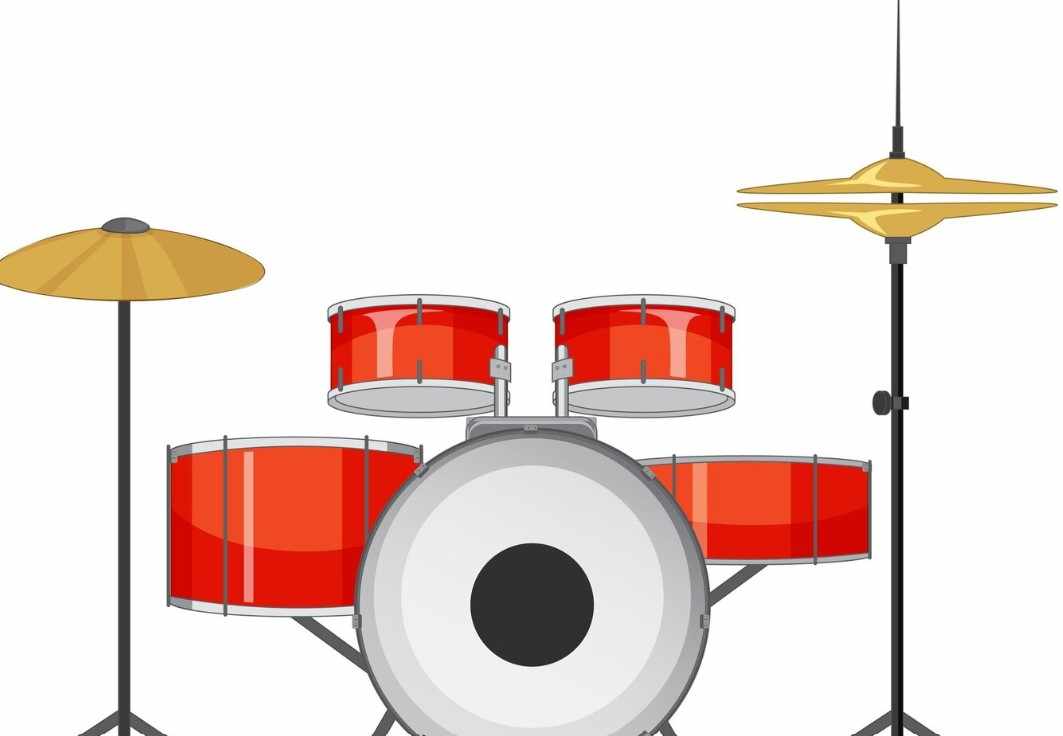
Inside, metal snare wires or guitar strings are often installed against the front plate, producing a snappy, percussive sound when struck. The result is an impressive range of tones: deep bass when you hit the center and sharp, snare-like sounds near the edges. This versatility allows musicians to mimic a full drum set using just their hands and fingertips.
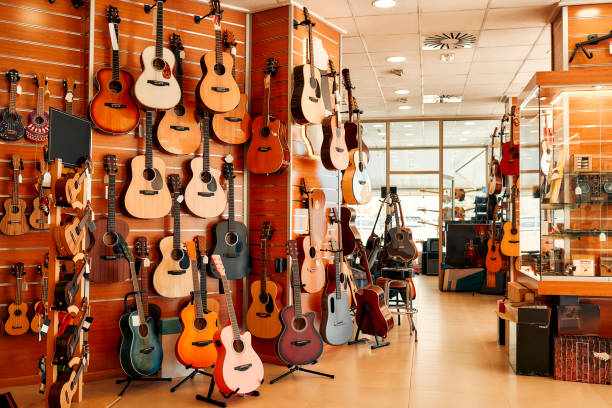
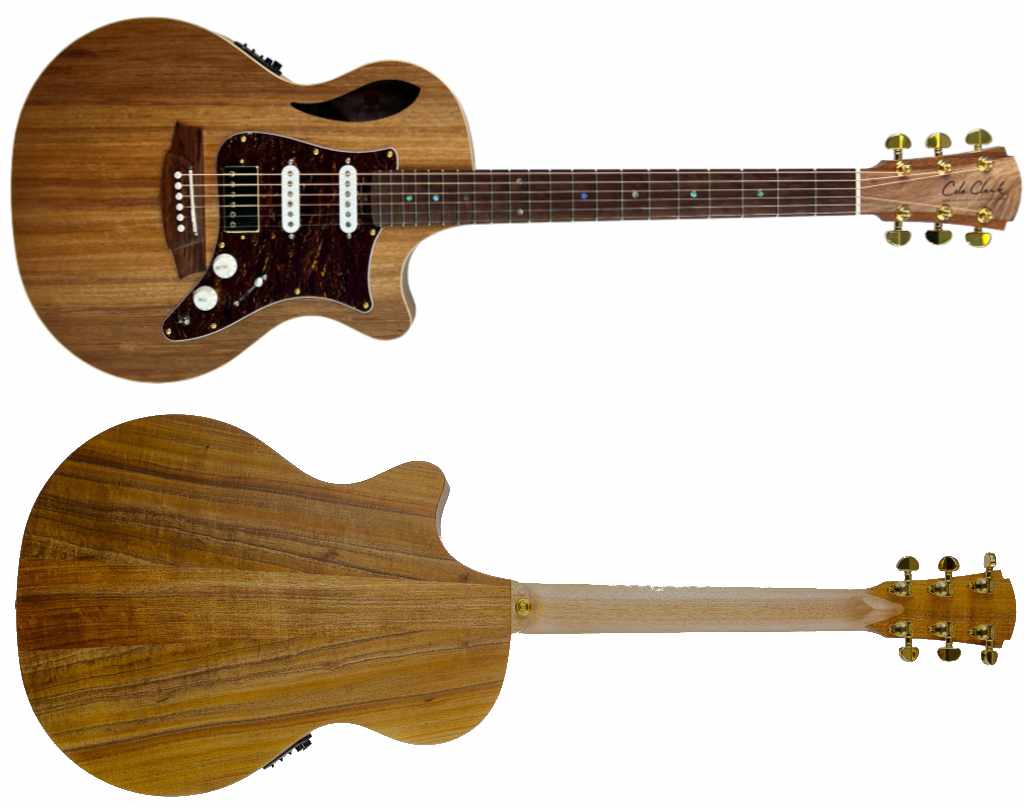
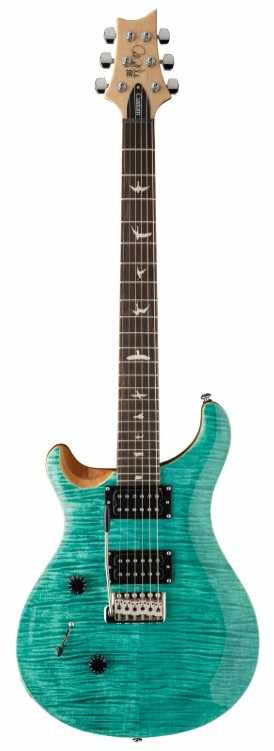
For those in search of the perfect Cajon, visiting a music store Melbourne offers a great opportunity to explore a wide range of options. From handcrafted traditional designs to modern Cajons with adjustable snares and built-in pickups, Melbourne’s music scene provides something for every percussionist.
The Soul of Rhythm: Playing the Cajon
Playing the Cajon is as much about feeling as it is about technique. Musicians often describe the experience as “conversing with rhythm.” Sitting atop the instrument, the player becomes part of the sound, using palms, fingers, and even heels to create beats that resonate through the wooden body.
Basic strokes include the bass tone (struck in the center), the slap (played at the top edge for a sharp sound), and the touch (a light tap for subtle rhythms). Once mastered, these strokes form the foundation for complex grooves and patterns.
What makes the Cajon truly special is its accessibility—anyone can start playing with minimal setup. Its compact size also makes it ideal for street performances, unplugged sessions, and even home jam sessions.
Cajon Beats Across Genres
The Cajon’s adaptability has made it a global phenomenon. In flamenco, it complements the guitar with fast, intricate rhythms. In pop and acoustic music, it provides a warm, organic alternative to electronic drum kits. In jazz and world music, it blends seamlessly with instruments like the guitar, violin, and saxophone.
In Melbourne, a city known for its diverse and vibrant music culture, the Cajon Drum has found a strong following among independent musicians. Local performers often use it in open mic nights, acoustic gigs, and cultural festivals, where its natural tone adds authenticity and soul to live performances.
Choosing the Right Cajon Drum
Selecting the perfect Cajon depends on personal style and musical needs. Beginners might prefer entry-level models with built-in snares for easier control, while professionals may opt for high-end versions with adjustable tones and enhanced resonance.
Here are a few factors to consider when choosing:
Sound Preference: Decide whether you want a bass-heavy sound or a crisp, snare-focused tone.
Material: Different woods produce different resonances; birch is bright, while mahogany gives warmth.
Design Features: Some Cajons include adjustable snare systems, sound ports, or internal microphones.
Comfort: Since players sit on the instrument, ergonomic design matters for long sessions.
Exploring a music store Melbourne allows musicians to physically test different Cajons, ensuring they find one that perfectly matches their playing style and comfort.
Maintaining and Caring for Your Cajon
A well-maintained Cajon can last for years while retaining its tonal quality. Here are a few care tips:
Avoid moisture: Keep your Cajon away from damp environments, as wood can warp easily.
Clean regularly: Wipe down with a soft cloth to remove dust and fingerprints.
Check tuning systems: If your Cajon has adjustable snares or strings, inspect them periodically.
Use padded cases: When transporting, a padded gig bag protects against scratches and damage.
Proper care not only preserves the instrument’s appearance but also maintains its crisp sound and responsiveness.
The Emotional Connection with the Cajon
More than just a percussion instrument, the Cajon speaks to the heart. Its deep, resonant tones mirror the human heartbeat, while its sharp slaps mimic the pulse of excitement. Musicians often describe a profound sense of connection when playing—it’s an emotional release, a conversation without words.
The simplicity of the Cajon Drum allows players to focus on rhythm and emotion rather than technical complexity. Whether performed solo or as part of a band, the Cajon adds an earthy, human touch to every composition.

Conclusion
The Cajon Drum stands as a timeless symbol of rhythm, emotion, and creativity. From its humble origins in Peru to its prominent place in modern music, it continues to captivate hearts and move souls. Its versatility makes it an essential instrument for musicians of all levels, whether performing on Melbourne’s bustling streets or in intimate acoustic settings.
So next time you visit a music store Melbourne, take a moment to sit on a Cajon, strike its surface, and feel the rhythm come alive beneath your hands. You might just discover that the beats you create don’t just move the crowd—they move your soul.


Write a comment ...